


Auto Insurance, Homeowners Insurance, Insurance Agent, Insurance in Florida
What Does Comprehensive Auto Insurance Cover?
What Does Comprehensive Auto Insurance Cover?
Key Takeaways
- Covers Non-Collision Events: Comprehensive insurance pays to repair or replace your vehicle (up to its actual cash value) if it is damaged by hurricane floodwaters, severe storms, falling tree limbs, fire, theft, vandalism, or hitting an animal.
- $0 Windshield Deductible in Florida: Under Florida Statute 627.7288, having comprehensive coverage allows you to repair or replace a damaged windshield with zero out-of-pocket costs.
- Required by Lenders, Optional by State Law: Florida state law only mandates PIP and Property Damage Liability, but banks and leasing companies require comprehensive coverage if you finance or lease your car.
- Does Not Cover Crashes or Personal Belongings: Comprehensive insurance explicitly excludes collision damage, damage to other drivers’ property, driver/passenger medical bills, mechanical wear-and-tear, and personal items stolen from inside the car.
- Timing Matters for Storm Coverage: You cannot add comprehensive coverage right before a hurricane hits, as insurance companies issue binding restrictions as soon as a storm watch or warning is announced.
If you park your car outside in Tampa Bay, you need to know what comprehensive auto insurance covers. Many local drivers assume basic liability protects their vehicle from summer hail, rising tides, or fallen oak branches. It does not. Knowing how this policy handles non-accident damage helps protect your ride when Florida weather turns severe.
What non-collision events does comprehensive car insurance cover?
Comprehensive car insurance covers damage to your vehicle caused by incidents other than crashing into another car or object while driving. It acts as protection for your parked vehicle against threats beyond your control.
In the Tampa Bay area, drivers face unique risks year-round. This insurance coverage pays for:
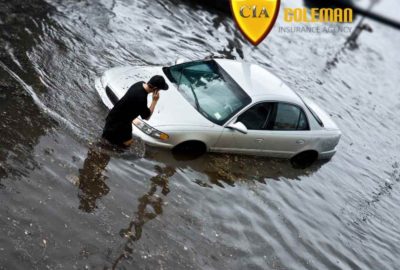
- Natural disasters: Storm surges, tropical flooding, hail, hurricane winds, and lightning strikes.
- Theft and vandalism: Broken glass, stolen parts, paint damage, or total vehicle theft.
- Hitting an animal: Striking stray animals or hitting a deer on local roads.
- Falling objects: Falling palm fronds, heavy oak branches, or construction debris.
- Fire and explosions: Engine fires or garage fires damaging your vehicle.
When these events occur, your policy pays for damages up to your car’s actual cash value, minus your chosen deductible.
Is comprehensive insurance required by law in Florida?
No, comprehensive coverage is not required by law in Florida. State law only mandates Personal Injury Protection (PIP) and Property Damage Liability (PDL).
However, comprehensive insurance is required by lenders and leasing companies. If you finance or lease your car, your bank will mandate both collision and comprehensive coverage. Lenders call this combination full coverage. They require it to protect their financial investment in your vehicle.
If you own your car outright, it becomes optional coverage. You decide whether to keep it based on your vehicle’s value.
How does Florida’s $0 windshield deductible rule work?
Under Florida Statute 627.7288, insurance companies cannot charge a deductible for repairing or replacing your windshield if you carry comprehensive coverage.
Road debris on I-275 or US-19 frequently chips windshields. Florida heat makes small cracks spread fast. With comprehensive coverage:
- Windshield replacement costs $0 out-of-pocket: You pay no deductible for windshield repairs or replacements.
- Other glass requires a deductible: Side windows and rear glass are not included in the zero-deductible law.
- No penalty for safety repairs: Replacing a cracked windshield keeps you safe without upfront costs.
Is comprehensive insurance worth the cost in Tampa Bay?
To decide if comprehensive insurance is worth the premium, weigh your car’s actual cash value against policy cost and deductible.
With rising rates across Pinellas and Hillsborough counties, every dollar counts. Dropping this protection leaves you exposed to Florida weather. Ask yourself:
- Could you afford to replace your car if storm surge totals it?
- Do you live in an area prone to coastal flooding or street floods?
- Do you park under heavy oak or pine trees?
If your vehicle is worth more than a few thousand dollars, keeping coverage makes sense. Selecting a higher deductible, like $500 or $1,000, keeps premiums manageable while protecting against major losses.
What does comprehensive insurance exclude?
Knowing what this policy excludes is just as important as knowing what it covers damages for.
Comprehensive auto insurance does NOT cover:
- Collision damage to your car: Crashes involving other vehicles or stationary objects require collision coverage.
- Damage to other vehicles: Property damage caused to others falls under liability coverage.
- Medical bills: Personal injury protection handles driver and passenger injuries.
- Wear and tear: Mechanical breakdowns, dead batteries, and worn tires are excluded.
- Personal belongings: Stolen laptops or tools left inside your car fall under renters or homeowners insurance.
Frequently Asked Questions
Does comprehensive insurance pay to repair or replace my car after a hurricane?
Yes. If rising floodwaters, storm surge, or falling trees cause damage to your vehicle during a storm, comprehensive coverage pays to repair or replace it up to its actual cash value.
Can I add comprehensive coverage right before a tropical storm hits?
No. Insurers issue binding restrictions as soon as the National Hurricane Center places Tampa Bay under a tropical storm or hurricane watch. You cannot add coverage during a storm warning.
What is the difference between collision and comprehensive coverage?
Collision covers damage to your car when you hit another vehicle or pole. Comprehensive handles non-crash events like storms, theft, vandalism, or falling branches.
Will comprehensive coverage pay for a rental car while mine is repaired?
Only if you added rental reimbursement coverage to your policy. Comprehensive covers physical damage to your vehicle, while rental coverage pays for your loaner car.
Protect Your Vehicle Before the Next Storm
Florida weather moves quickly, and waiting for a storm warning is too late to update your policy. Securing your car against local floods, severe weather, and theft takes the right balance of protection and value.
Coleman Insurance Agency helps local drivers find clear, dependable auto policies without paying for unnecessary add-ons.
Get a customized quote or schedule a free policy review today by visiting Coleman Insurance Agency.


Related posts

Homeowners Insurance, Insurance Agent, Insurance in Florida
How to Find the Best Homeowners Insurance Rates in 2027
Finding reliable, affordable coverage for your home in Pinellas County can feel overwhelming. With changing market conditions, weather risks, and evolving carrier requirements across Clearwater, Dunedin, and St. Petersburg, homeowners need clear guidance to navigate their options. This guide breaks down everything you need to know to secure complete protection…
Homeowners Insurance
How Does Insurance in a Flood Zone Work for Tampa Bay Homeowners?
Key Takeaways Mandatory for high-risk mortgages: Flood insurance is typically required by law if you live in a high-risk flood zone and hold a federally backed mortgage. Excluded from homeowners insurance: Standard home insurance policies do not cover damage caused by rising water or storm surge. Requires separate coverage: To…
Flood Insurance, Homeowners Insurance, Insurance Agent, Insurance in Florida
Protect these Documents During Hurricane Season in Florida
The Important Documents You Need to Protect Key Takeaways Act before the storm: Protect your critical financial and legal records well before a hurricane threatens the Tampa Bay area. Gather essential paperwork: Compile your homeowners insurance policy, flood insurance certificate, property deeds, and a comprehensive home inventory. Double-protect your files:…

Flood Insurance, Homeowners Insurance, Hurricane Insurance, Insurance Agent, Insurance in Florida, Roof Wind Mitigation
How to Prepare for Hurricane Season in Florida: Is Your Insurance Ready?
Key Takeaways: Hurricane Insurance Preparation Review coverage early: Evaluate your windstorm and flood insurance limits well before a tropical storm or hurricane forms. Lower rising premiums: Update your home’s wind mitigation inspection, especially for older properties, to unlock valuable insurance discounts. Verify rebuilding costs: Ensure your policy coverage limits match…
Homeowners Insurance, Hurricane Insurance, Insurance in Florida, Roof Wind Mitigation
How to Save Money With Wind Mitigation in Florida
Key Takeaways: A wind mitigation inspection is a professional assessment of your home’s ability to withstand high winds. In Florida, state law requires insurance companies to offer premium discounts for homes with wind-resistive features. By verifying items like your roof’s age, roof-to-wall connections, and impact-resistant windows, homeowners in Pinellas County…
Comments are closed